
Bona Bona Wildlife and the circle that sustains Africa
As 2025 draws to a close and we stand on the threshold of 2026, few stories capture South Africa’s conservation spirit quite like the transformation unfolding at Bona Bona. What began as a high-quality breeding operation has evolved into something far more significant. Bona Bona Wildlife, a holistic enterprise that demonstrates how wildlife breeding, ethical hunting, ecotourism and community upliftment can work together to create genuine, lasting conservation.
This is not merely a rebranding exercise. It is a declaration of purpose, a commitment to a philosophy that recognises the interconnectedness of all things. It’s a roadmap for sustainable wildlife management that will benefit generations to come.
The vision that drives everything
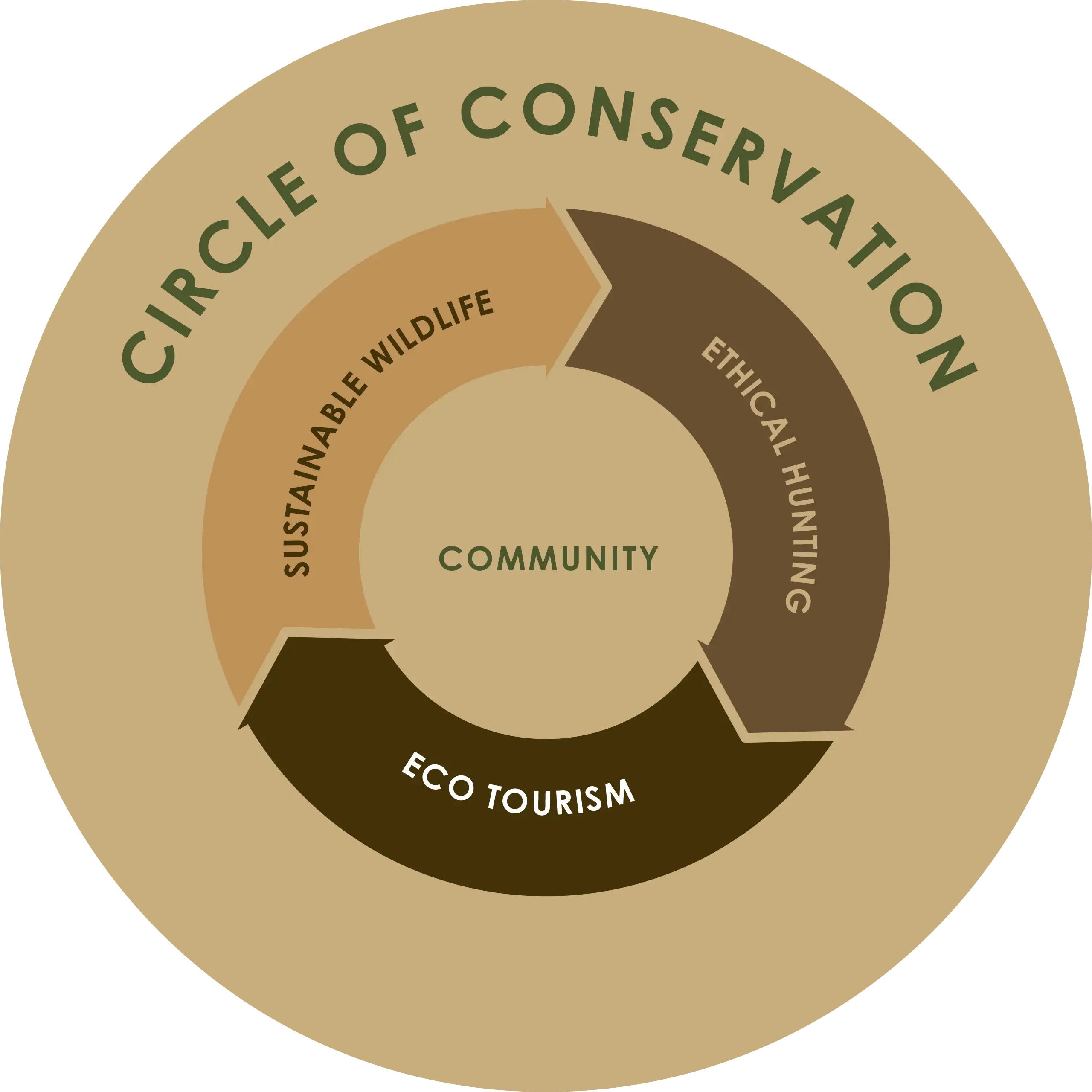
At the heart of this transformation lies the Bona Bona Circle of Conservation, a complete sustainable operating model that aligns four essential pillars: Wildlife breeding, ethical hunting, ecotourism and community upliftment. Each pillar strengthens the others, creating a regenerative system where high-quality breeding produces resilient genetics and thriving herds, responsible hunting funds conservation efforts, tourism connects people to nature and community investment ensures benefits are shared across society.
This circular approach does more than protect wildlife habitats. It creates jobs, safeguards value for stakeholders and secures a future for South Africa’s natural heritage. It places community at the centre of everything, recognising that true conservation cannot succeed without the support and participation of the people who live alongside our remarkable wildlife.
A global perspective on South African excellence
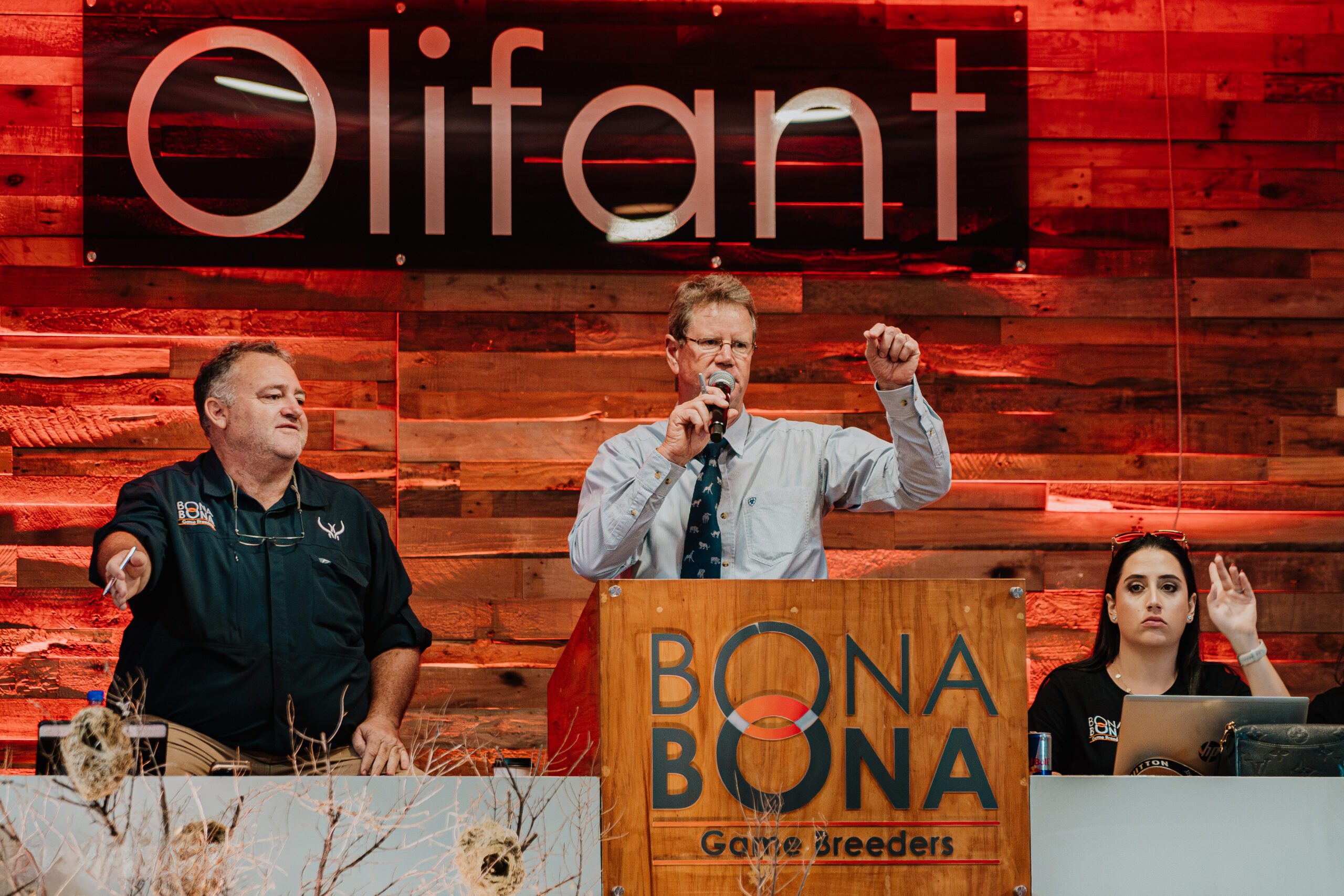
Wynand van Heerden, speaking at the Bona Bona Platinum Auction 2025 in March, shared insights from his travels earlier in the year through Europe that crystallise why this integrated approach matters. After attending major hunting conventions in Austria and Budapest, he returned with a question that challenges the entire South African wildlife industry.
“What is it that we as South African wildlife farmers really bring to the hunting market?” van Heerden asked. “Why is it that we still settle in many cases for a fraction of a price when in my opinion, we’ve got a product that is far superior?”
His observations are striking. While South African operators offer impala rams for R8 000 to R10 000, European outfits charge R30 000 for roe deer. South African kudu bulls fetch R10 000 to R35 000, whilst European red deer stags command R80 000 to R100 000. Yet as van Heerden pointed out, South Africa offers something European hunters can only dream of: “Within a two-hour flight, we are able to offer six completely different hunting experiences in the boundaries of one country.”
From the northern bushveld to the lush forests, from mountainous Eastern Cape terrain to the camel thorn expanses of the south, from the endless horizons of the Karoo to the red dunes of the Kalahari, South Africa provides unparalleled diversity. Add magnificent lodges, five-star wines, world-class dining and the option to visit Kruger or Cape Town and the value proposition becomes undeniable.
“We have the widest variety of species the world has to offer,” van Heerden continued. “You will struggle to find 15 species in one area outside of Southern Africa, yet many of our farms offer an excess of 40 species in hunting area.”
“What is it that we as South African wildlife farmers really bring to the hunting market?” van Heerden asked. “Why is it that we still settle in many cases for a fraction of a price when in my opinion, we’ve got a product that is far superior?”
The wildlife breeder: Conservation’s unsung hero
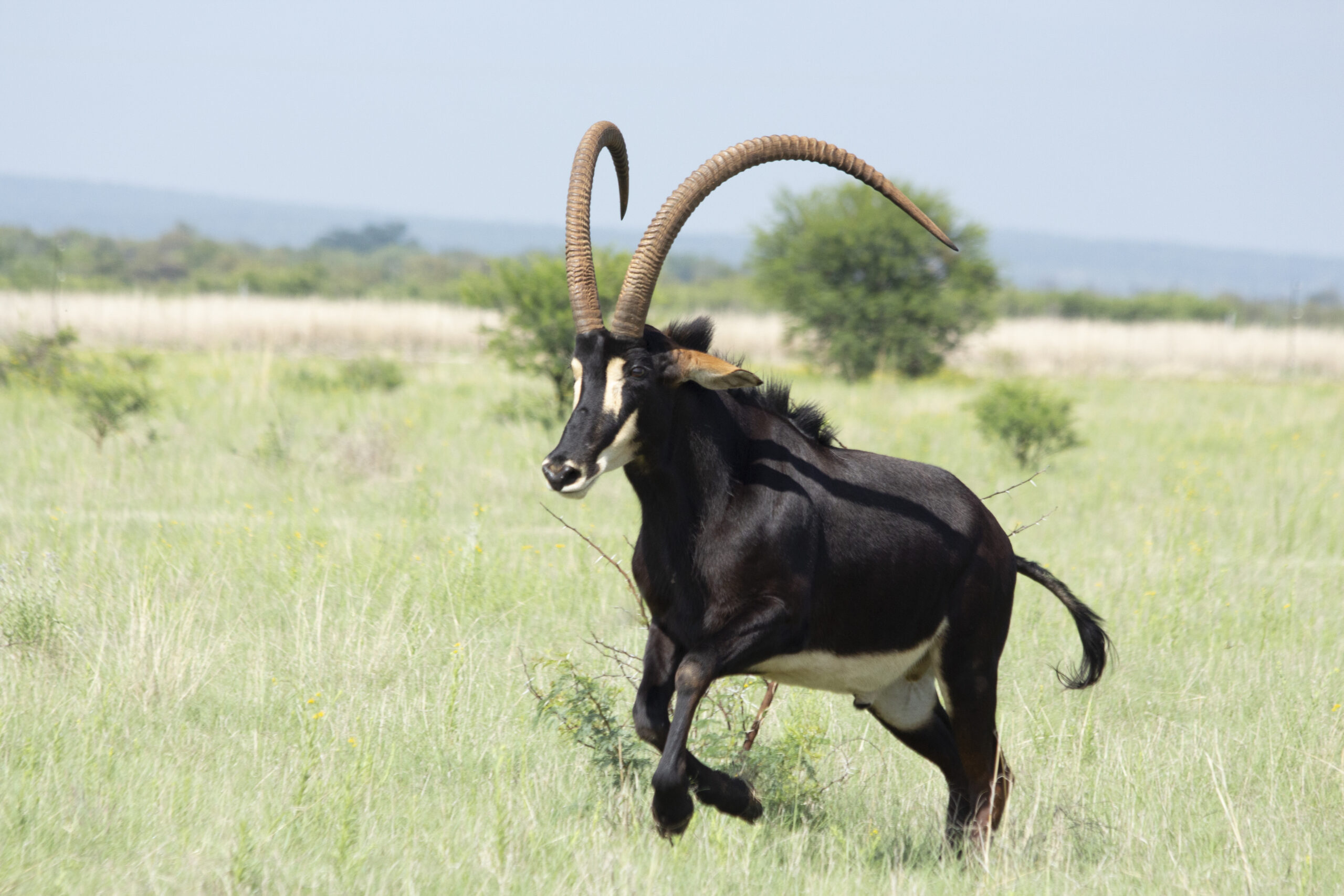
Van Heerden reserved praise for South Africa’s wildlfe breeders, calling them “the trump card to the South African hunting industry.” Through continual investment, careful selection and farming excellence, these custodians have created animals that seemed impossible just a decade ago. “Fifty to sixty inch sable were completely unfathomable a mere five to 10 years ago,” he noted.
This is precisely where Bona Bona Wildlife’s purposeful breeding programmes shine. By improving genetics, ensuring resilience and safeguarding endangered bloodlines through careful management and consistent, DNA-verified records, they build trust and confidence for buyers whilst enriching species strength and protecting biodiversity. Every animal comes with DNA parentage verification, horn measurements and full breeding records, ensuring transparency and quality.
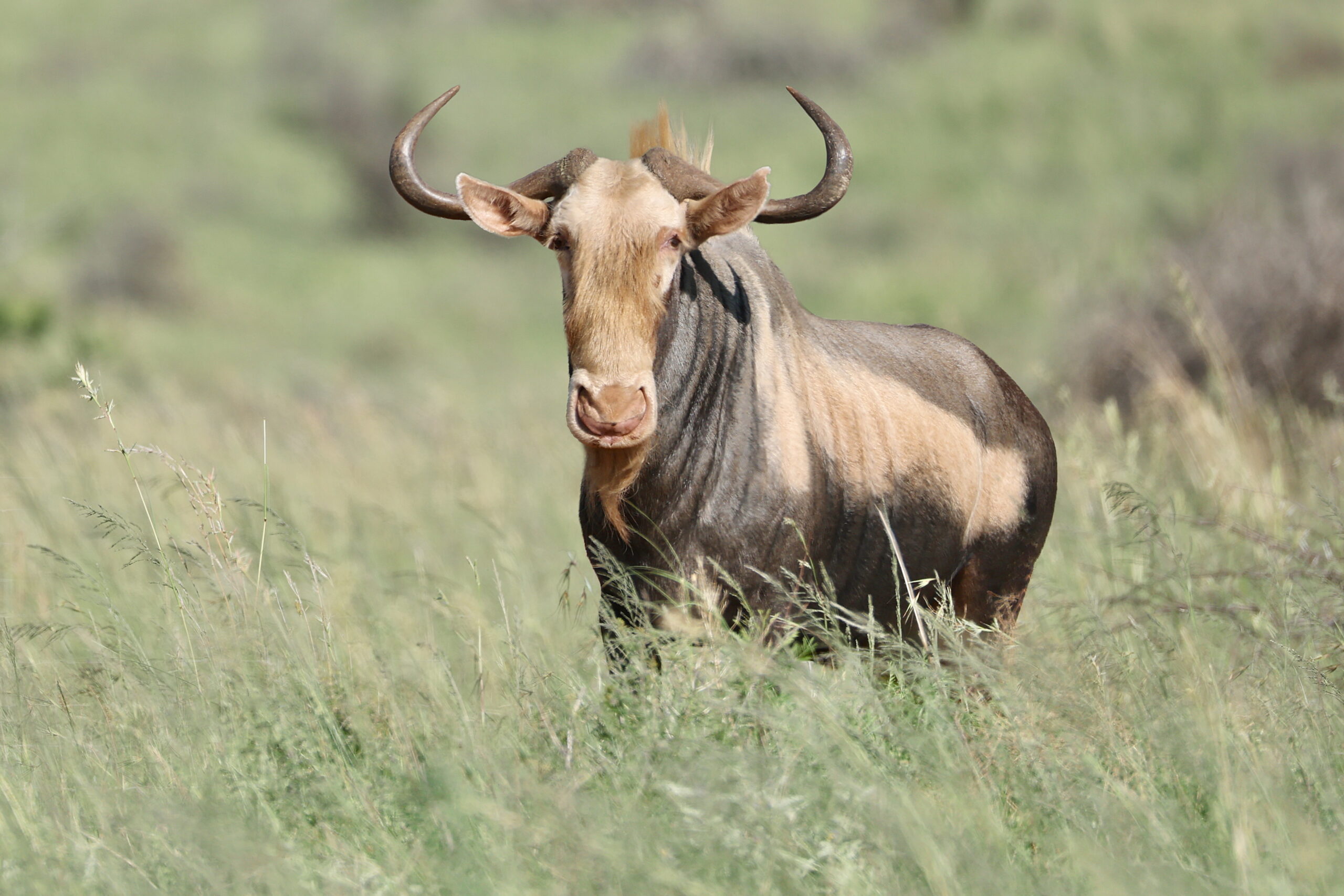
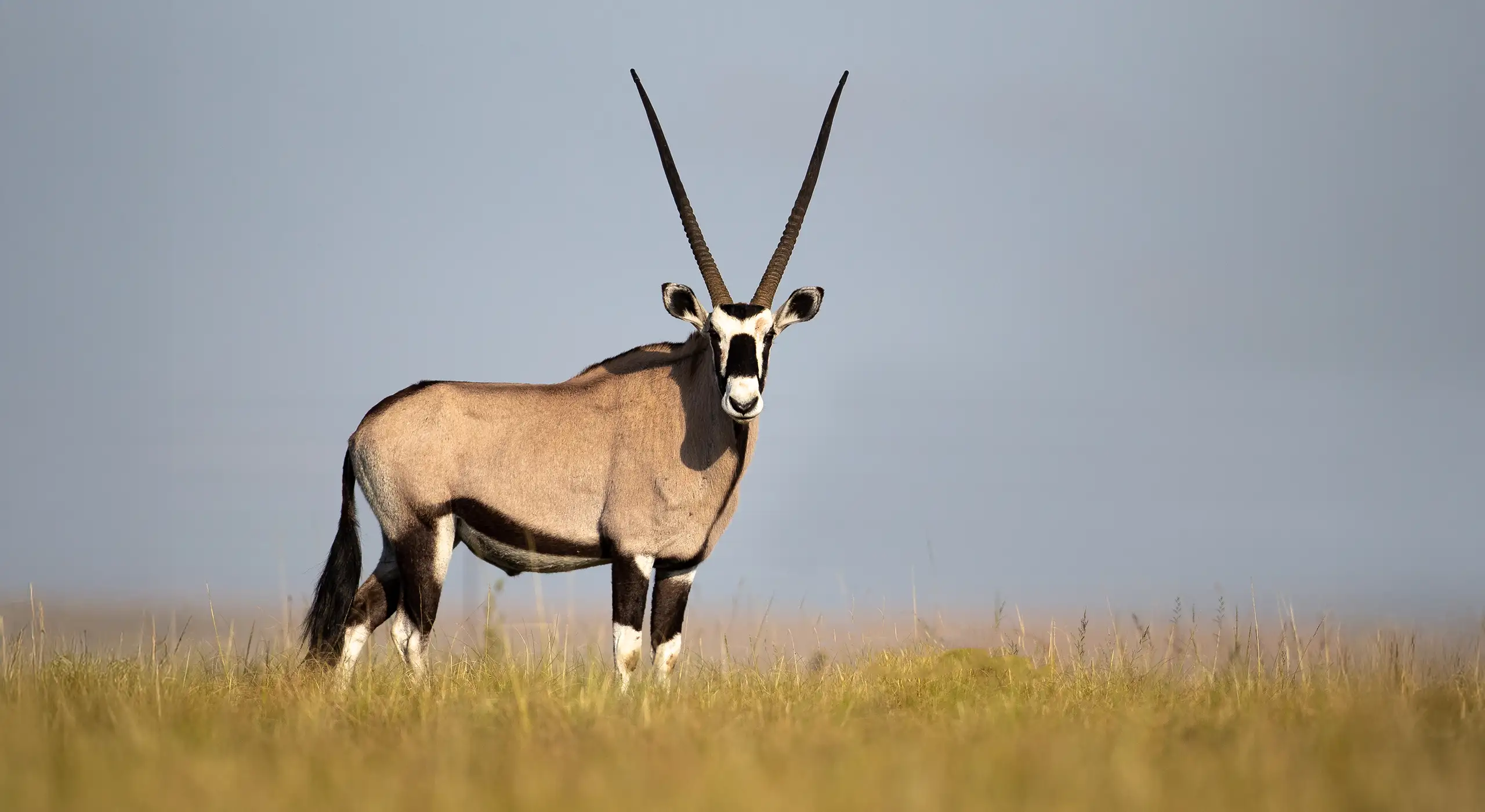
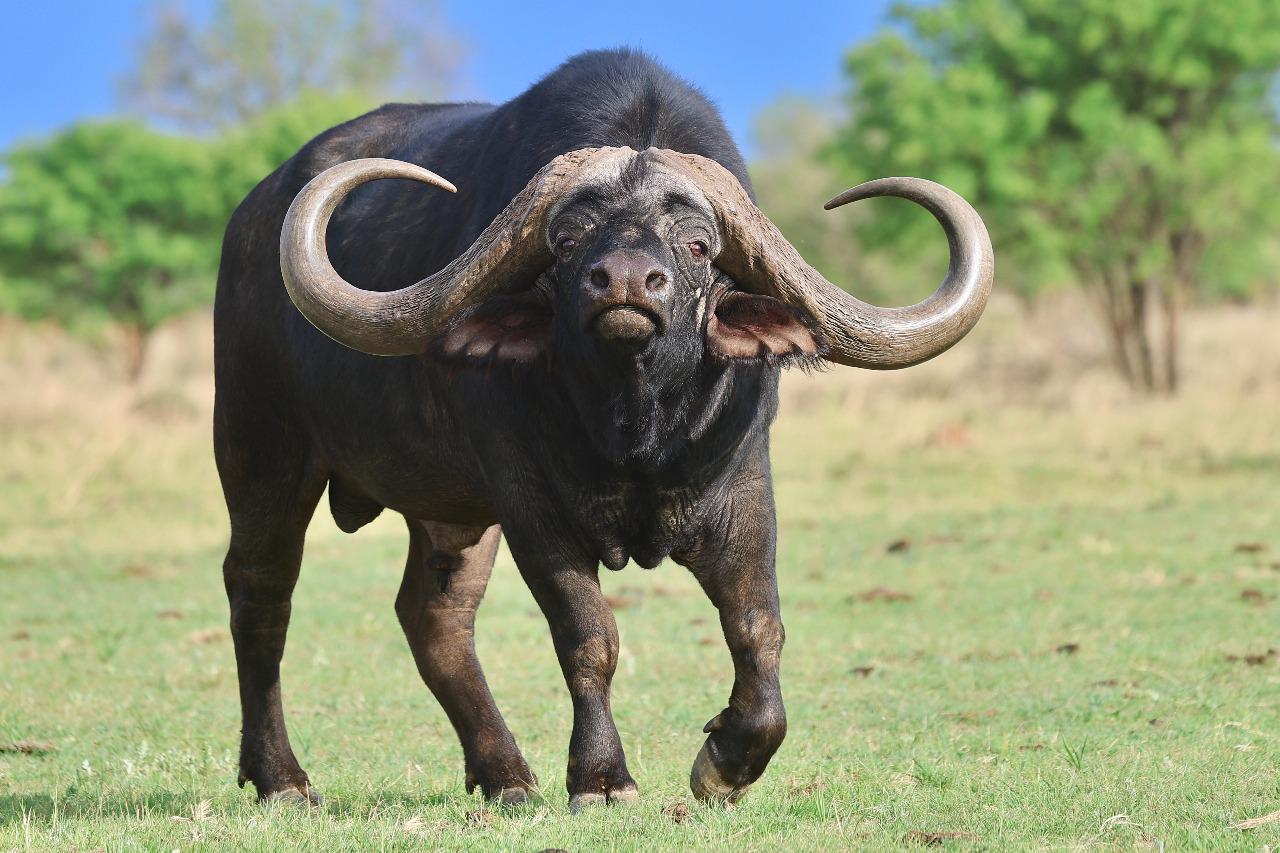
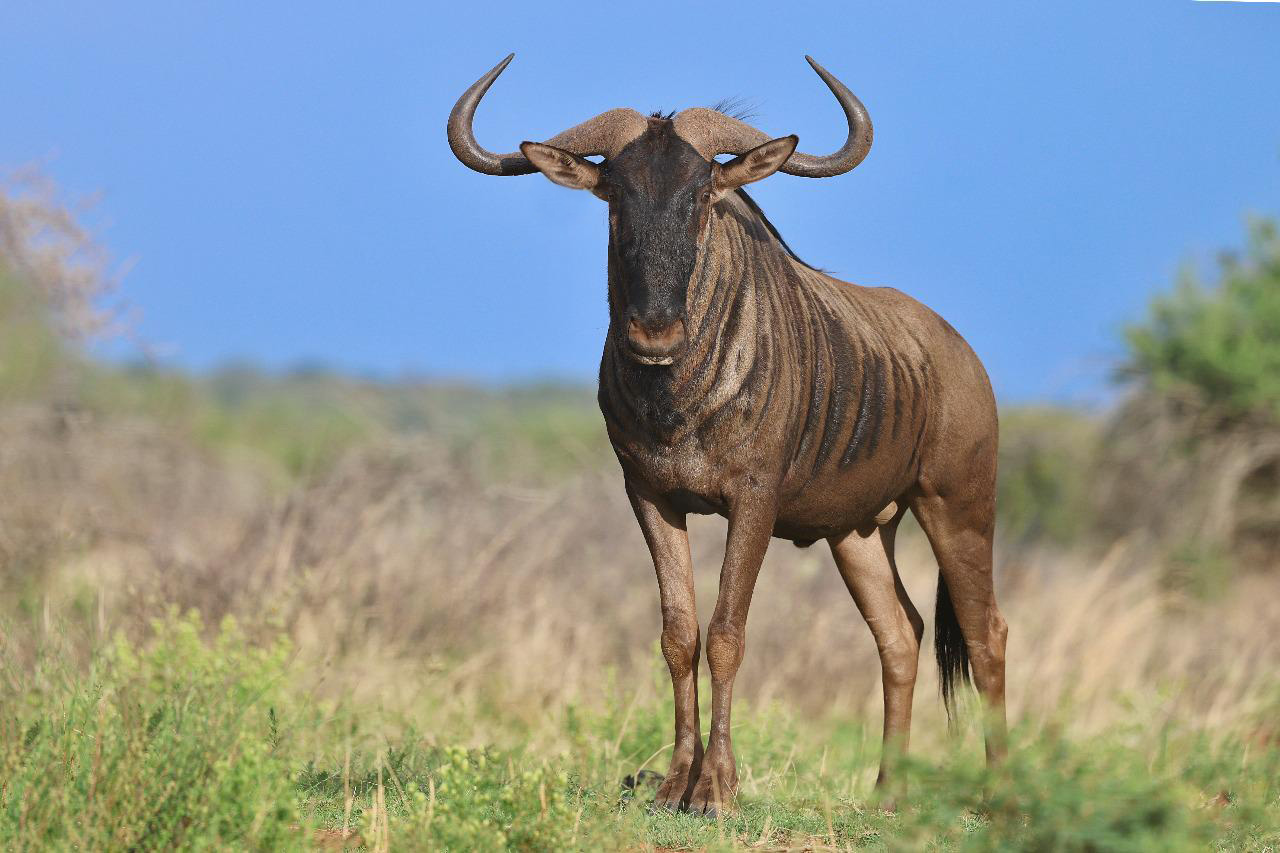
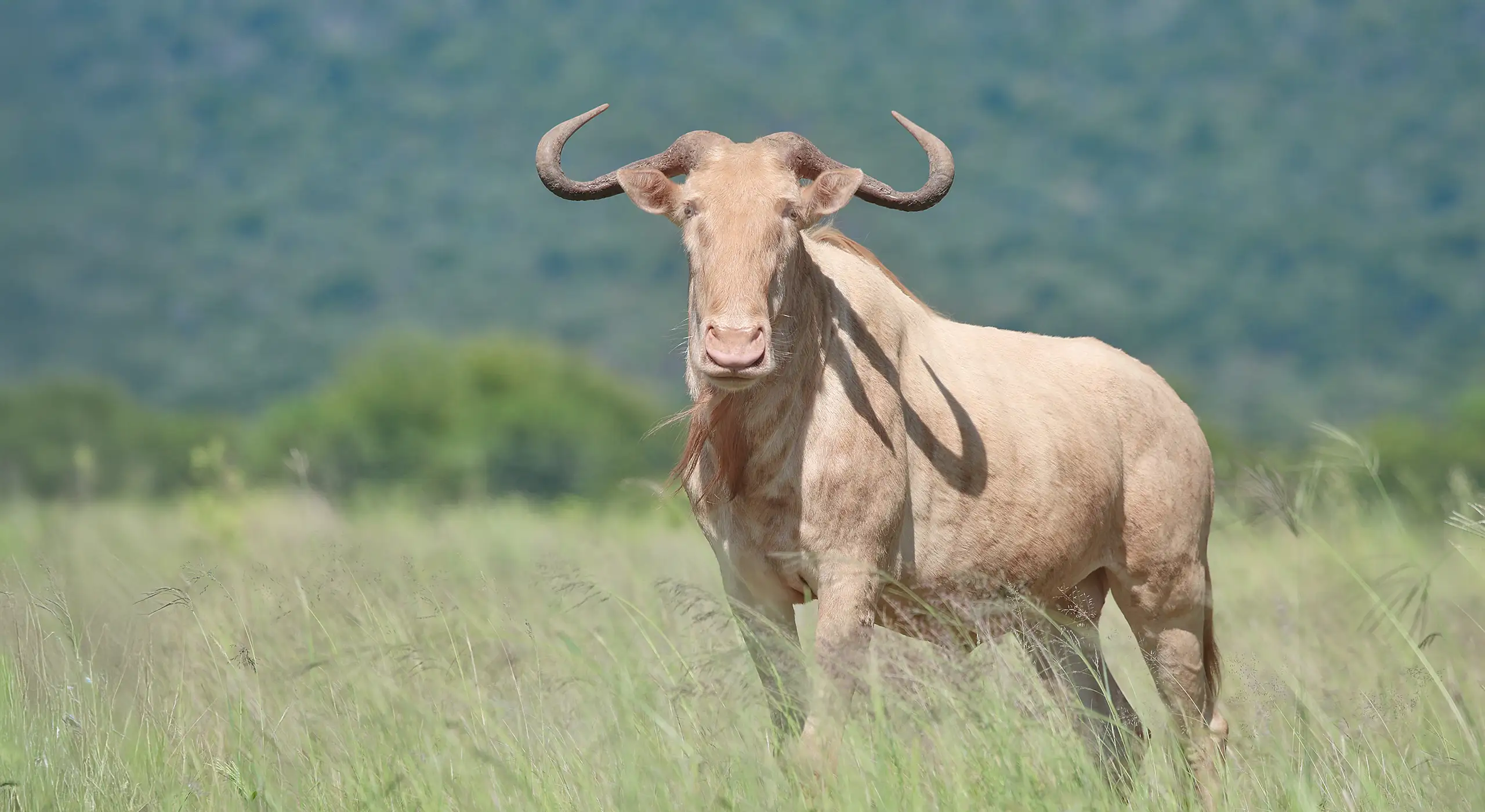
The operation specialises in sable, buffalo, wildebeest, oryx and eland, with proven bloodlines that represent years of dedicated work. This commitment to excellence ensures herds remain healthy and valuable for future generations.
The economics of conservation
The economic argument for ethical, well-managed hunting is overwhelming. According to a peer-reviewed study by Peet van der Merwe and Andrea Saayman, professors focused on tourism management and economics at North-West University and published in Wildlife Research in July 2025, South Africa’s hunting sector generates approximately R45 billion annually for the economy, creating essential jobs whilst conserving habitat and wildlife.
This figure, significantly larger than previous estimates, underscores hunting’s importance to South Africa’s economy. As the study’s authors noted: “Hunting represents a production multiplier of 2.97, indicating that for every R1 spent by hunting tourists, production increases by an additional R1.97.”
The research revealed that agriculture, trade, accommodation and personal services are the industry sectors most dependent on hunting tourism. International hunters spend an average of R488 000 per visit, whilst local hunters contribute approximately R64 500 per season. These expenditures ripple through the economy, supporting countless livelihoods.
Critically, the study highlighted hunting’s role in income generation and poverty reduction, particularly for low-skilled workers in labour-intensive sectors. “The reduction of hunting tourism could disproportionately harm these workers, thus exacerbating the unemployment challenges in South Africa,” the authors warned.
At Bona Bona, this economic reality translates into tangible community benefits. Managed quotas and strict ethics maintain ecological balance, whilst hunting revenues fund habitat restoration and support local families through job creation and shared benefits, including a regular supply of protein-rich meat. As their philosophy states: “At Bona Bona, hunting is not exploitation but stewardship, ensuring sustainability whilst honouring animals and the land.”
Where hospitality meets conservation
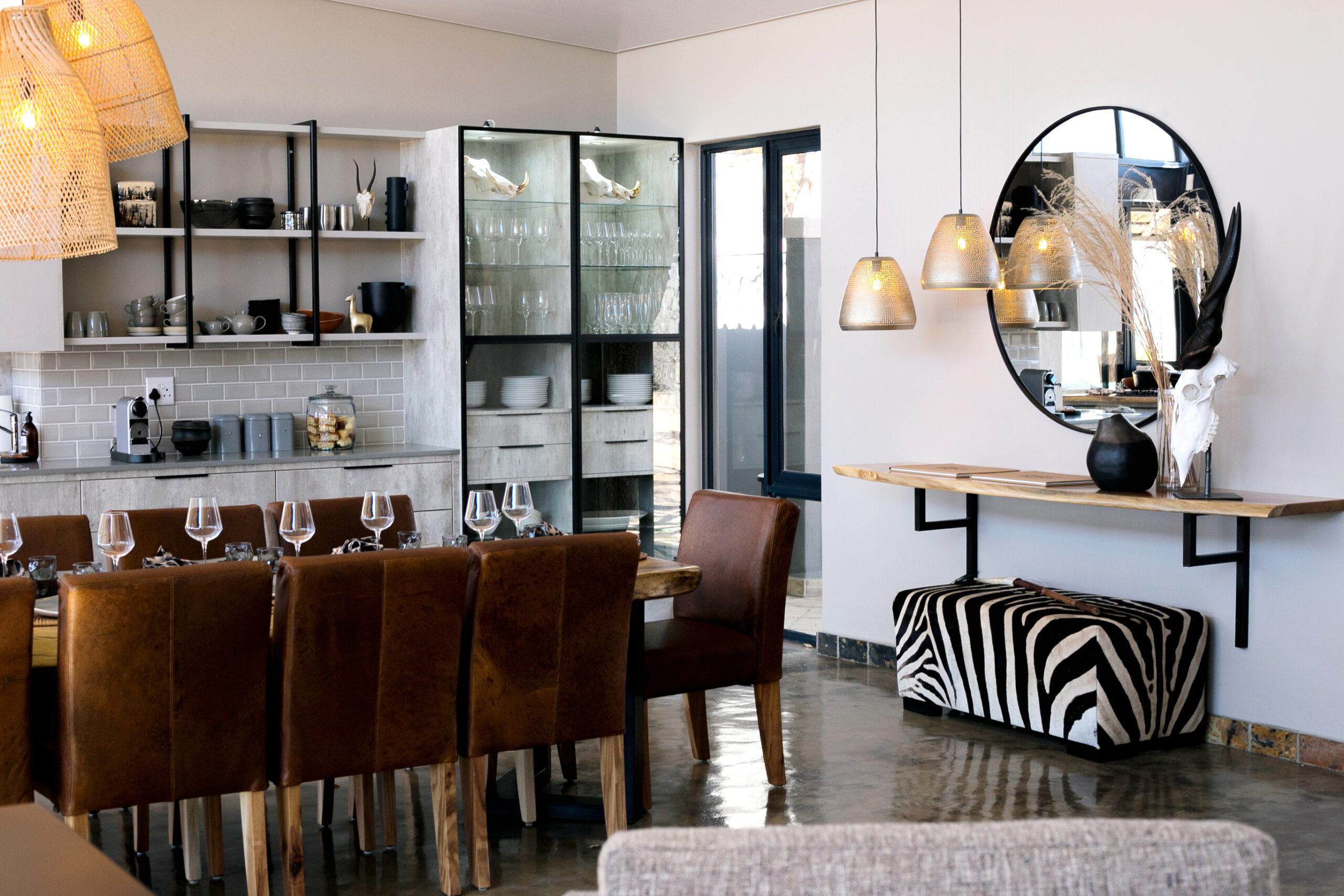
The tourism pillar of the Bona Bona Circle of Conservation demonstrates how conservation can create unforgettable experiences. Bona Bona Game Lodge and Veldhaven Spa invite guests to enjoy four-star comfort whilst immersed in an uplifting wildlife experience. Tourism revenues directly support conservation efforts, creating a virtuous cycle where enjoyment funds protection.
Families, non-hunters and visitors all find their place in this sanctuary of hospitality and nature. The lodge, nestled in the heart of Bona Bona’s operations, offers a gateway to authentic African experiences that connect people to the land and its wildlife. It is here that the abstract becomes tangible, where guests witness firsthand how integrated conservation truly works.
Community: The foundation of everything
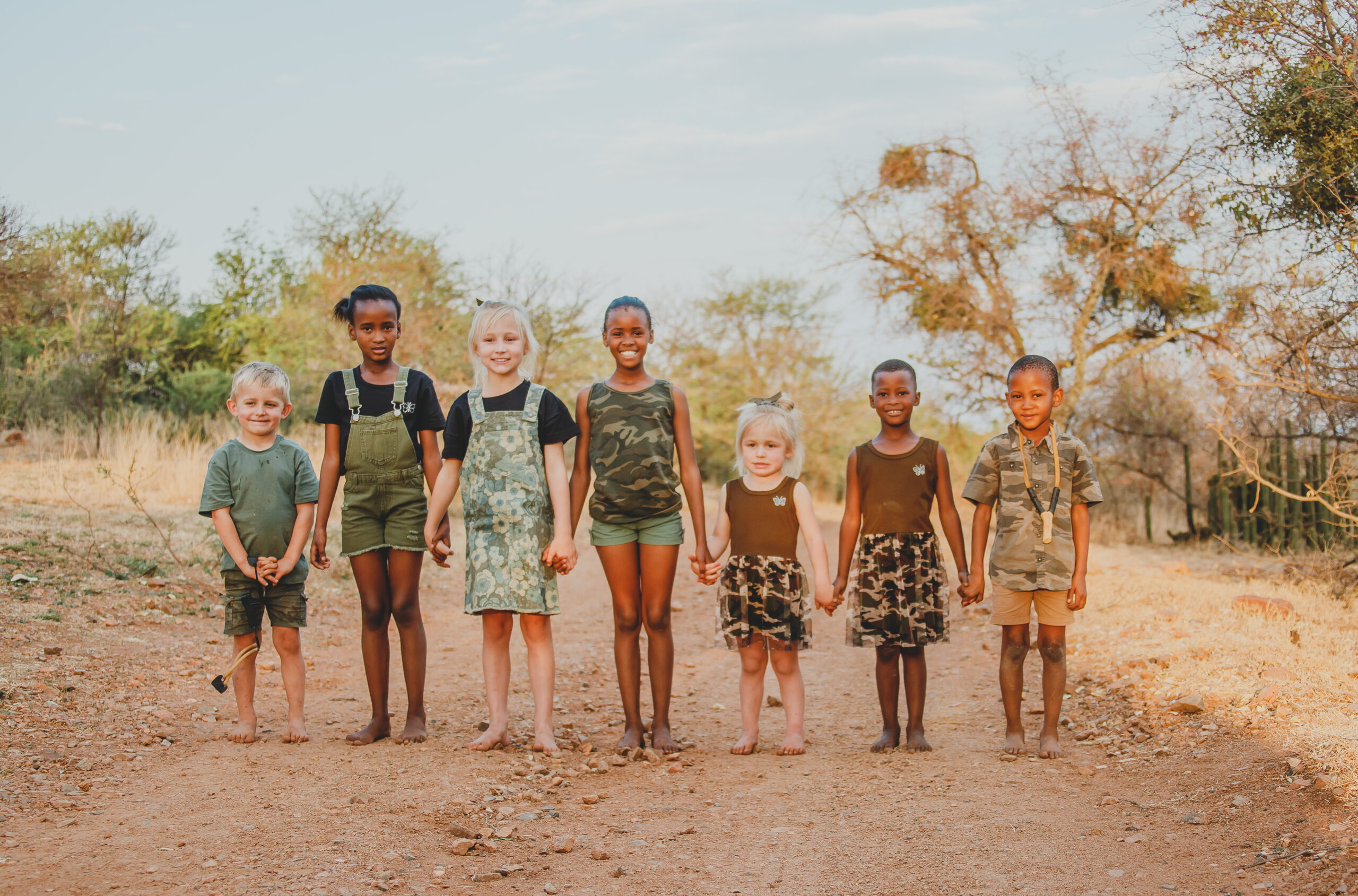
“Our neighbours and friends are part of the Circle,” states Bona Bona’s philosophy. This is not rhetoric but reality. The operation creates jobs, procures from small businesses and invests in education. Charity auction lots fund school projects, helping children flourish and building human capacity in surrounding communities.
By uplifting communities, Bona Bona strengthens the human foundation upon which true conservation depends. This recognition that conservation must serve people as well as wildlife sets the operation apart. It acknowledges that long-term success requires buy-in from those who share the land with animals, those who will become the next generation of custodians.
Looking forward: The Platinum Auction 2026
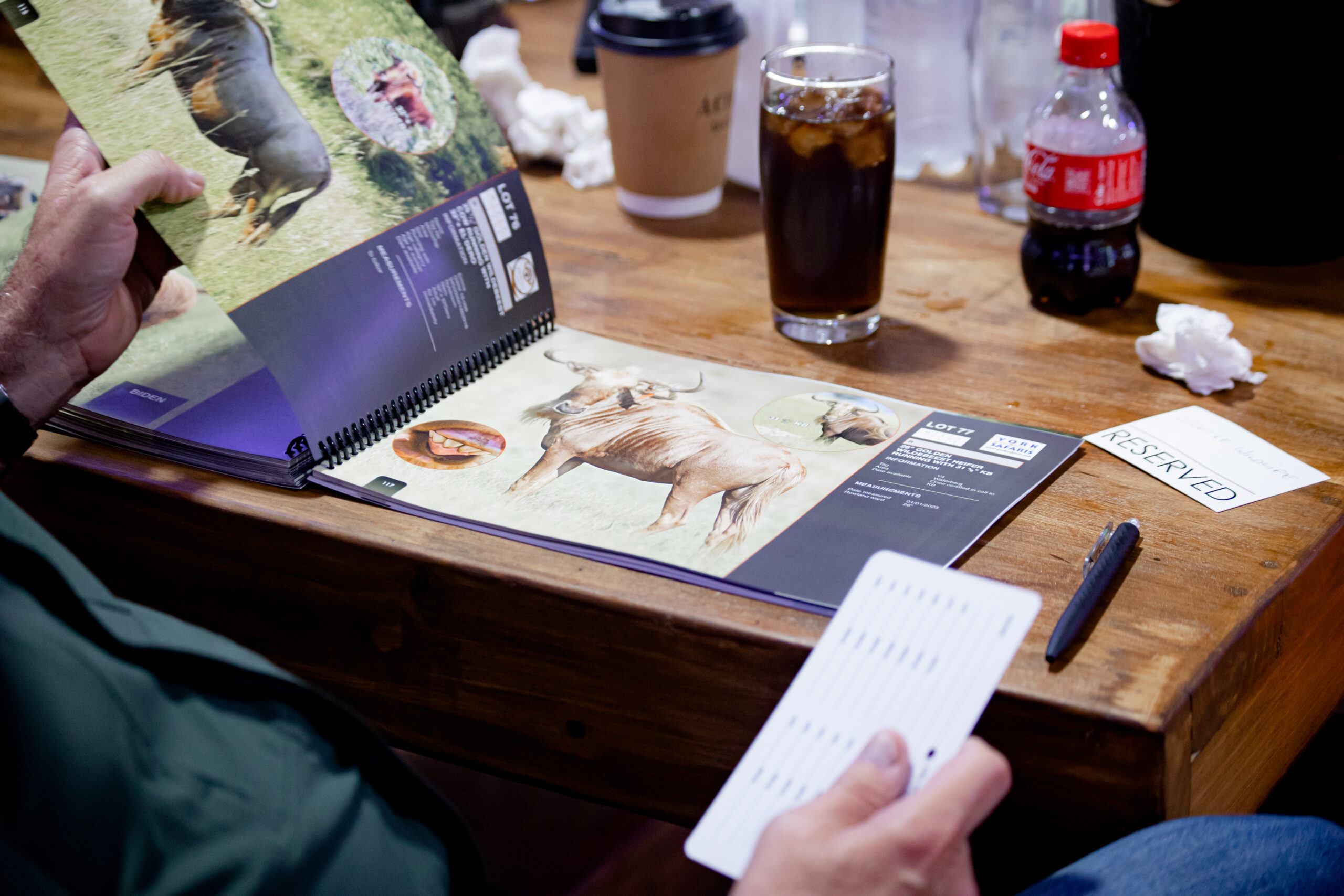
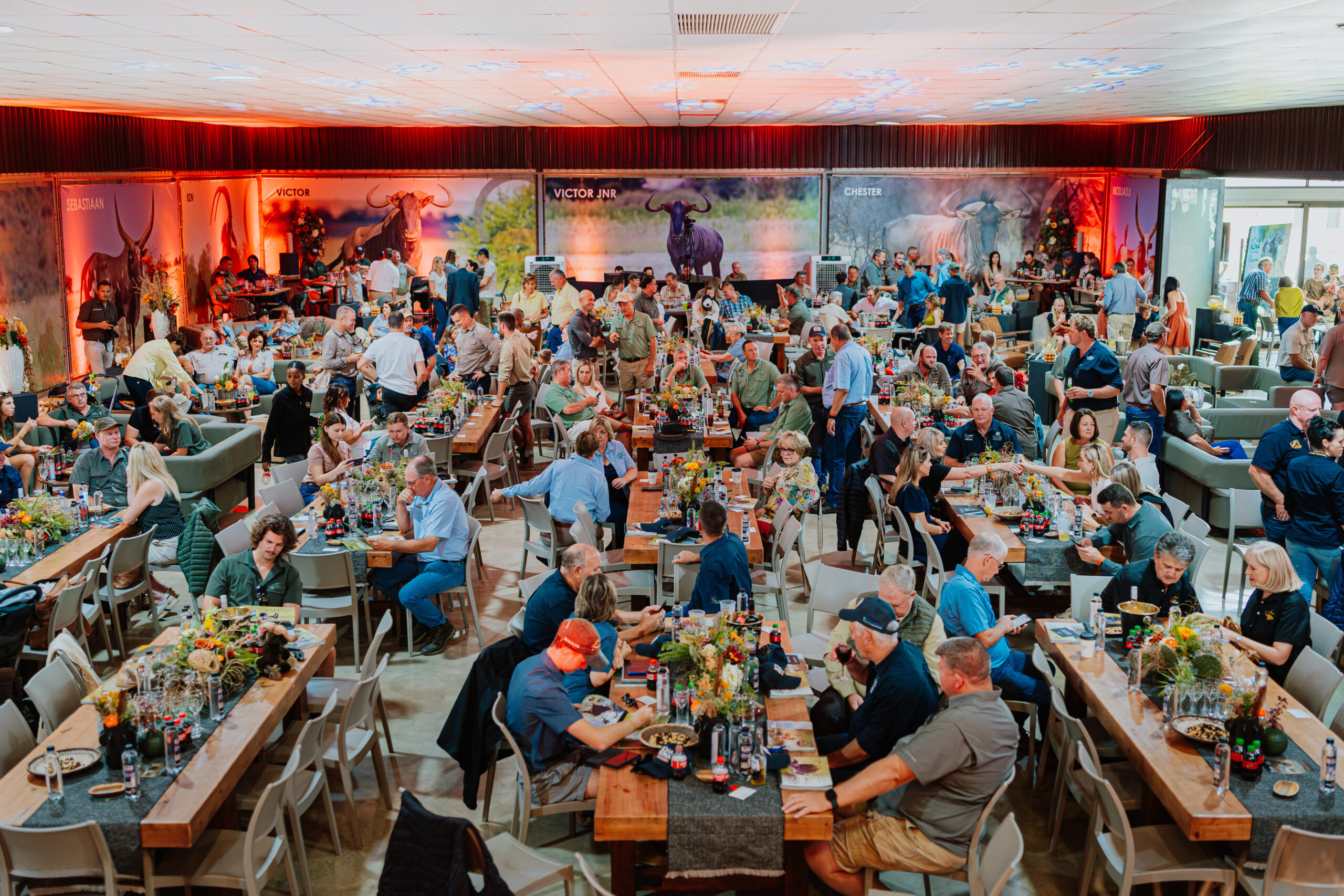
The upcoming Bona Bona Wildlife Platinum Auction, scheduled for Saturday, 22 March 2026, represents more than a commercial event. It is a celebration of this integrated philosophy, a showcase of elite wildlife genetics and a gathering of like-minded friends who understand that conservation and economic value need not be mutually exclusive.
Held just off the N12 near Klerksdorp, at the well-appointed Bona Bona Wildlife Centre, the auction offers a full weekend of hospitality and networking. Families are welcome to enjoy the lodge, spa, meals and activities, experiencing firsthand the Circle of Conservation in action. Each lot represents years of careful breeding, ethical management and commitment to excellence.
The promise of 2026
As Wynand van Heerden reflected at the 2025 auction: “We are sitting with a situation where we have the scope to make decisions that, if made correctly, will benefit your grandchildren’s children. We have a product that is incomparable in the rest of the world and that will benefit the population of South Africa for many, many years to come.”
This is the promise of Bona Bona Wildlife. This is the potential of the Circle of Conservation. As we enter 2026, the transition from breeding operation to comprehensive wildlife enterprise signals not an ending but a beginning. It represents a commitment to doing things properly, to recognising that high-quality wildlife breeding, ethical hunting practices, ecotourism and community upliftment are not separate endeavours but interconnected elements of a single, sustainable whole.
The Circle turns. Conservation continues. Community thrives. And South Africa’s natural heritage remains secure for generations yet to come, protected by those who understand that true stewardship requires not just passion but purpose, not just vision but action, not just success today but sustainability tomorrow.
For more information about Bona Bona Wildlife or the Platinum Auction 2026, contact:
- Wildlife breeding: Pieter Ernst Jnr | 082 925 3662 | ernstpf@gmail.com
- Wildlife & auction admin: Tarryn van der Berg | 082 769 4101 | developments@bonabona.co.za
- Visit: bonabonawildlife.co.za | bonabonasafaris.co.za